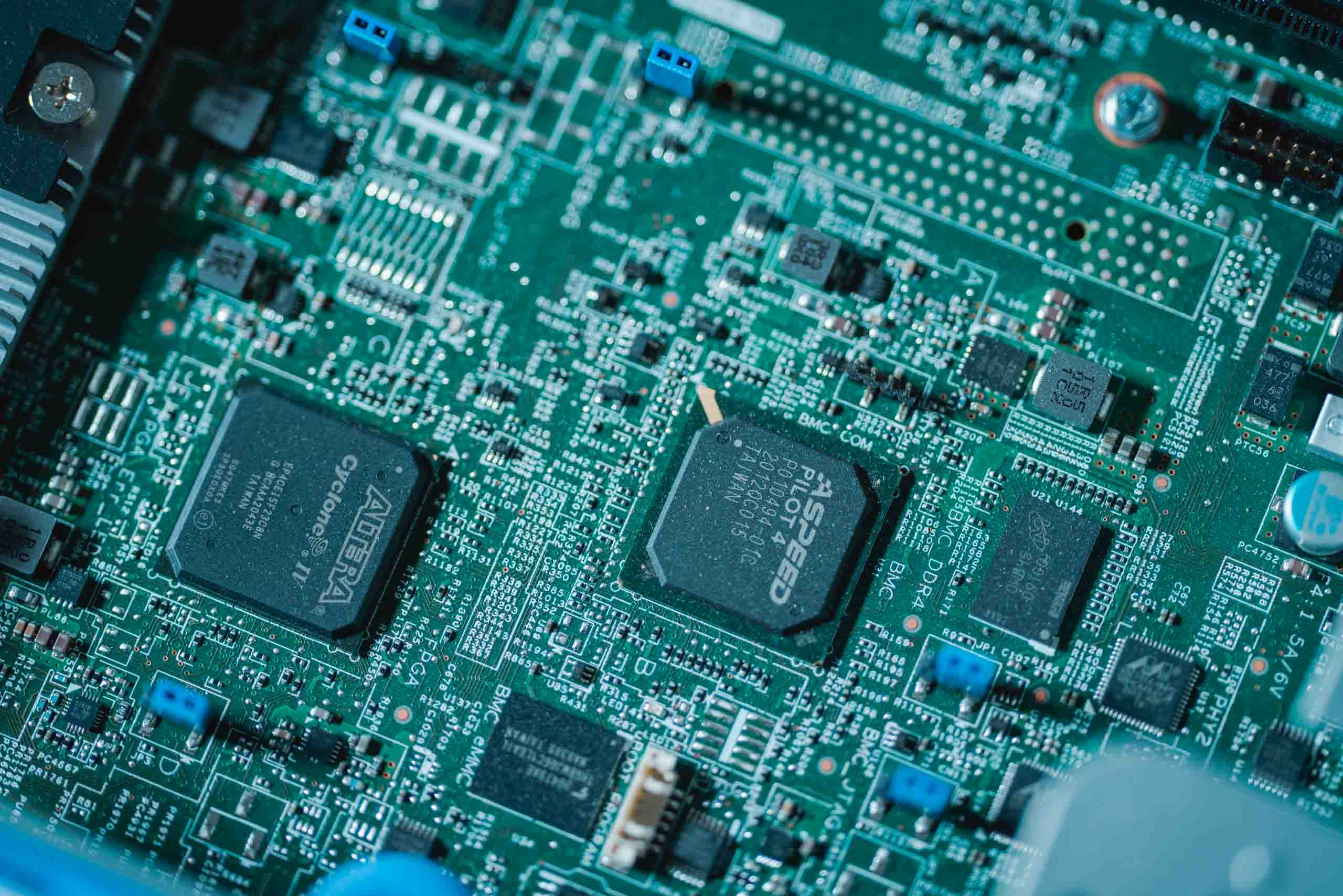
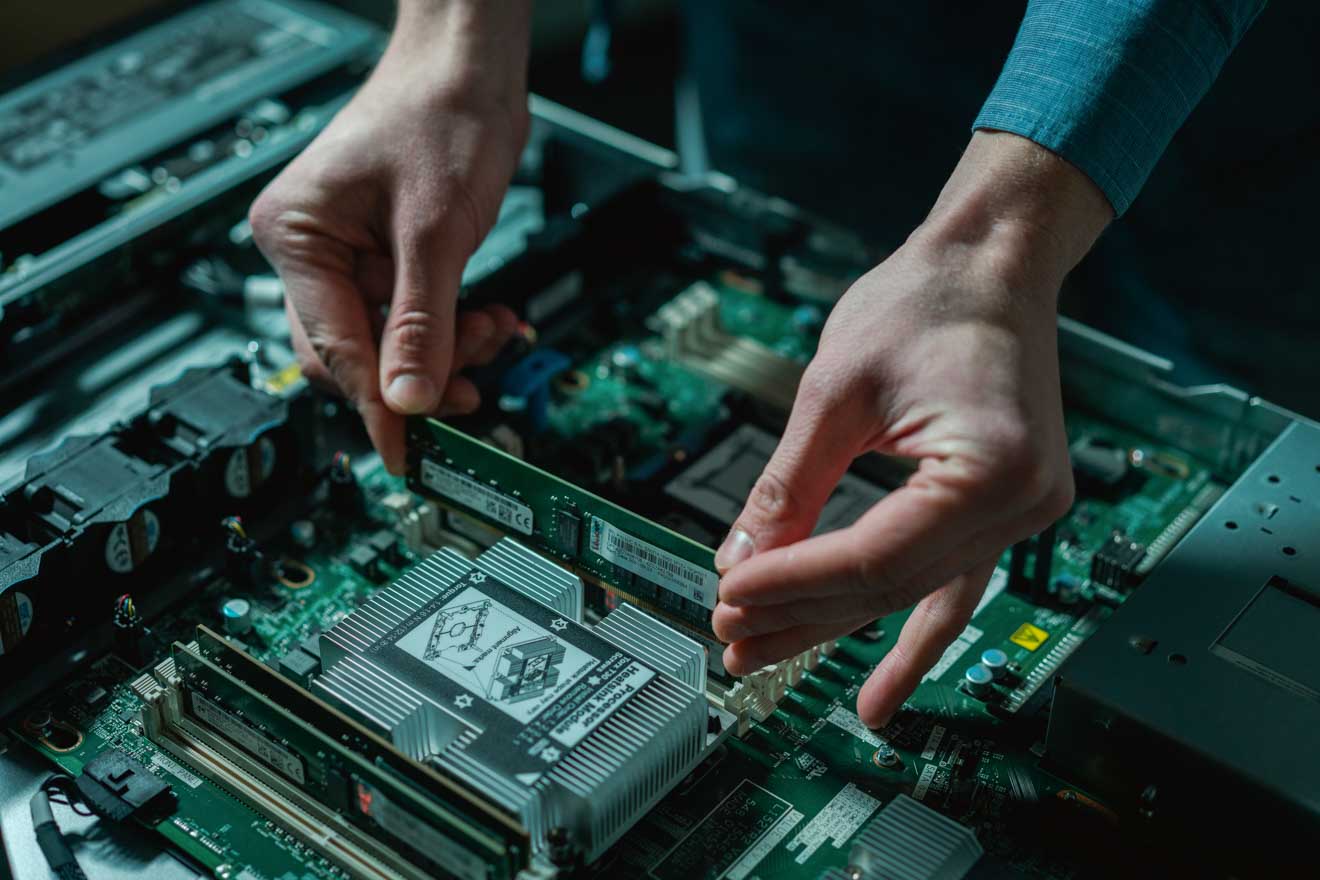
To solve this complex task, our company’s specialists used the following solutions from the manufacturer Hewlett Packard Enterprise (HPE): HPE Synergy server blade system with HPE Virtual Connect switching modules; HPE Nimble data storage system, which was closely integrated with the HPE StoreOnce backup storage system, which in turn had close integration with the customer’s applications.
HPE Synergy blade system with HPE Virtual Connect switching modules and the use of the boot from SAN approach allowed, so to speak, to “virtualize” physical servers by untying the operating system and application with data from a specific physical server and binding them to a software-defined server profile. This software-defined server profile stores the server serial numbers, hardware addresses of its LAN and SAN network adapters, and this profile can be easily moved between physical servers. Thus, a number of complex issues are solved very simply and effectively:
– savings on application licensing;
– fault tolerance: if a physical server fails, its profile is moved to a backup server in a matter of minutes;
– scalability: if the capacity of a two-processor server is not enough, we can easily and quickly migrate the server profile to a four-processor physical server.
The issue of fast, efficient and reliable data storage was solved by using the HPE Nimble storage system. The hybrid system, which uses cheap NMJDs for data storage and fast solid-state drives for data caching, provided the best ratio of power and system cost. Thus, the system, slightly more expensive than traditional NMJD systems, delivers power close to All-SSD systems.
The second advantage of using the HPE Nimble SSD is ultra-reliable data storage, which allows for the simultaneous failure of three drives of any kind. The SSD also has built-in profiles for optimizing performance for various applications, which greatly simplifies the task of power administration and system tuning.
Tight integration of HPE Nimble SDR, on the one hand, with applications, and on the other – with the HPE StoreOnce backup storage system, made it possible to create an easy-to-use, flexible in configuration, powerful data backup complex without the need to purchase additional backup software. Thus, to ensure minimal data loss time and recovery time, snapshots are used at the storage level that do not affect application performance. When performing backup and recovery tasks with HPE StoreOnce, data is transferred directly between two systems: HPE Nimble SDR and HPE StoreOnce backup storage, which significantly speeds up these operations. Instant service recovery directly on the HPE StoreOnce system with its subsequent online migration to the main SDR – HPE Nimble is also supported.