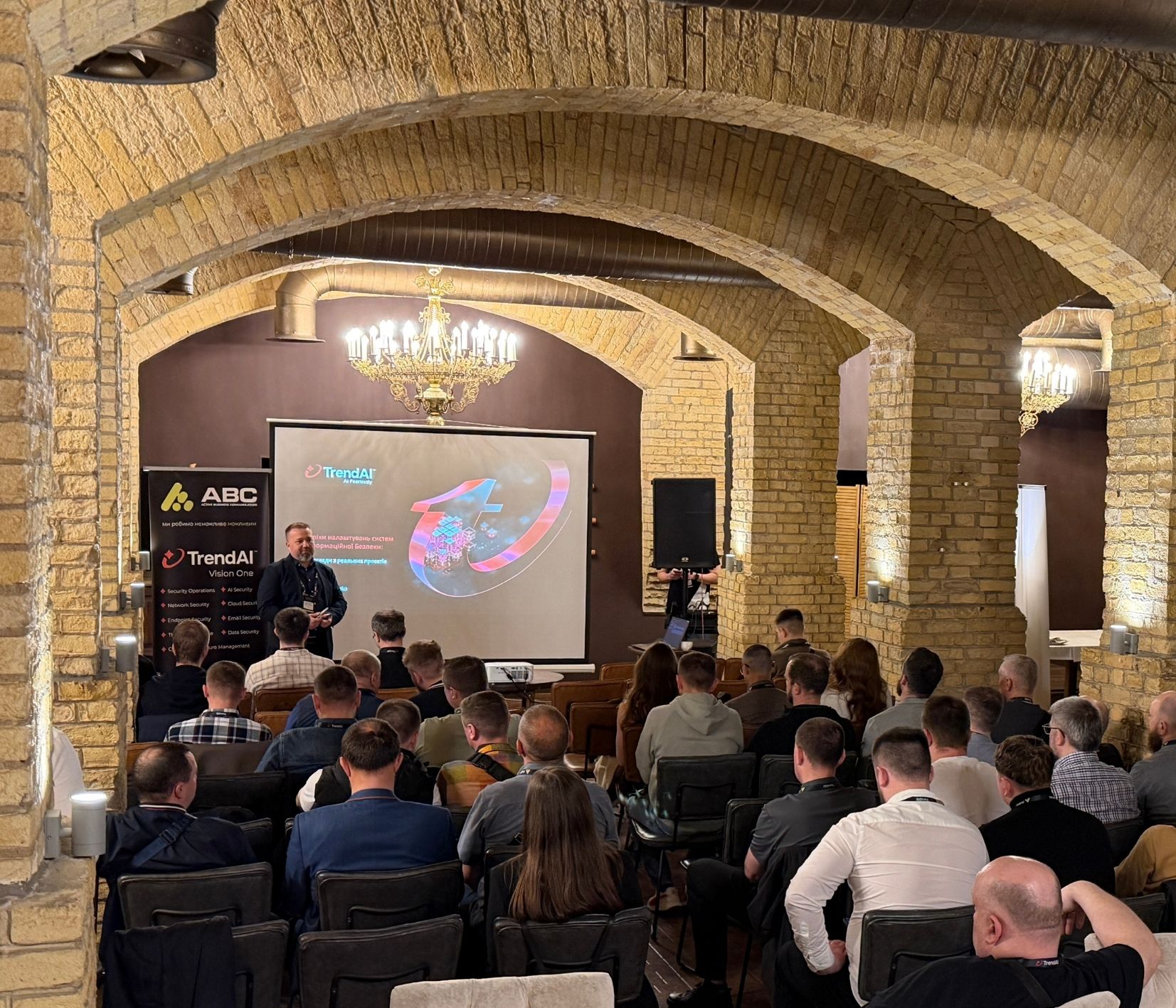
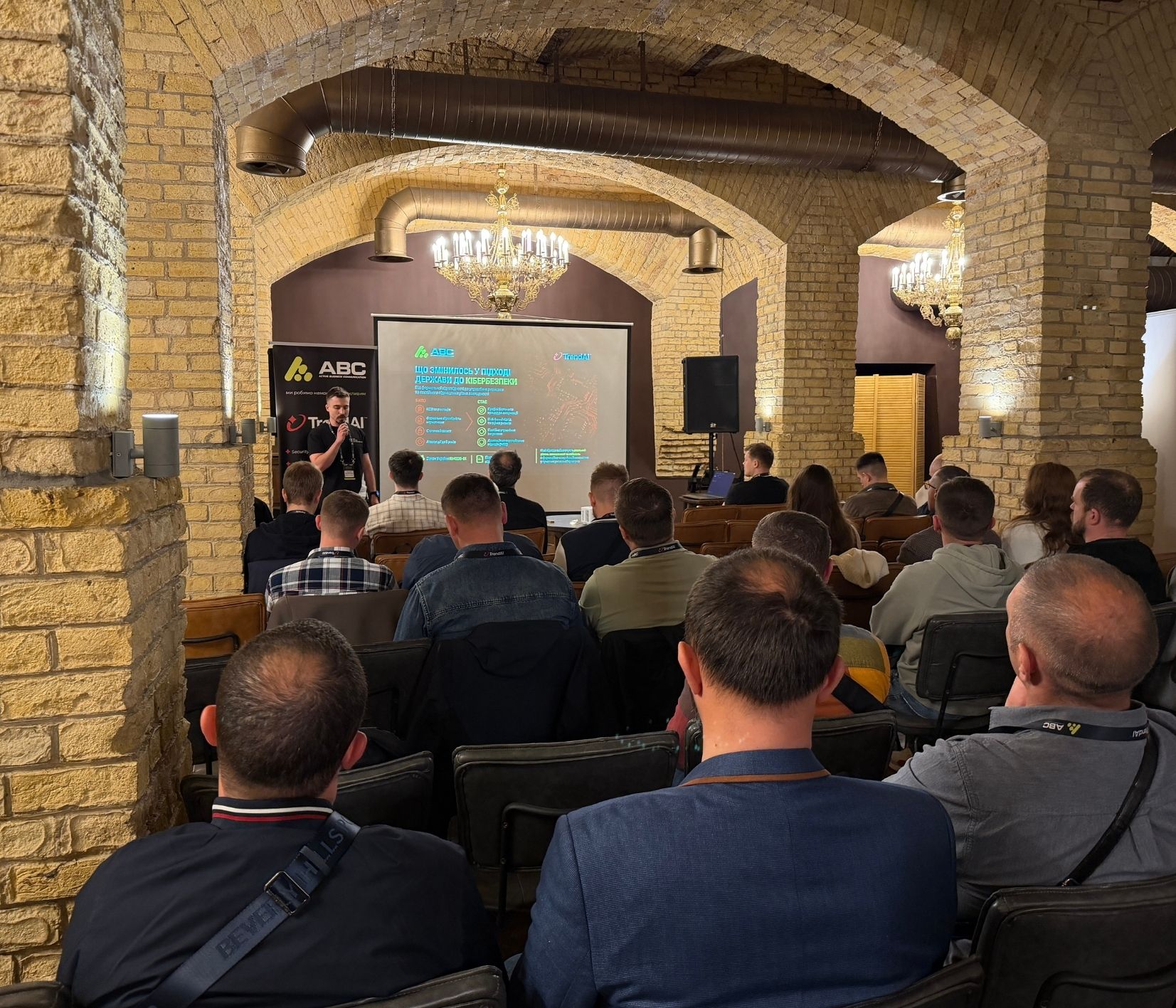
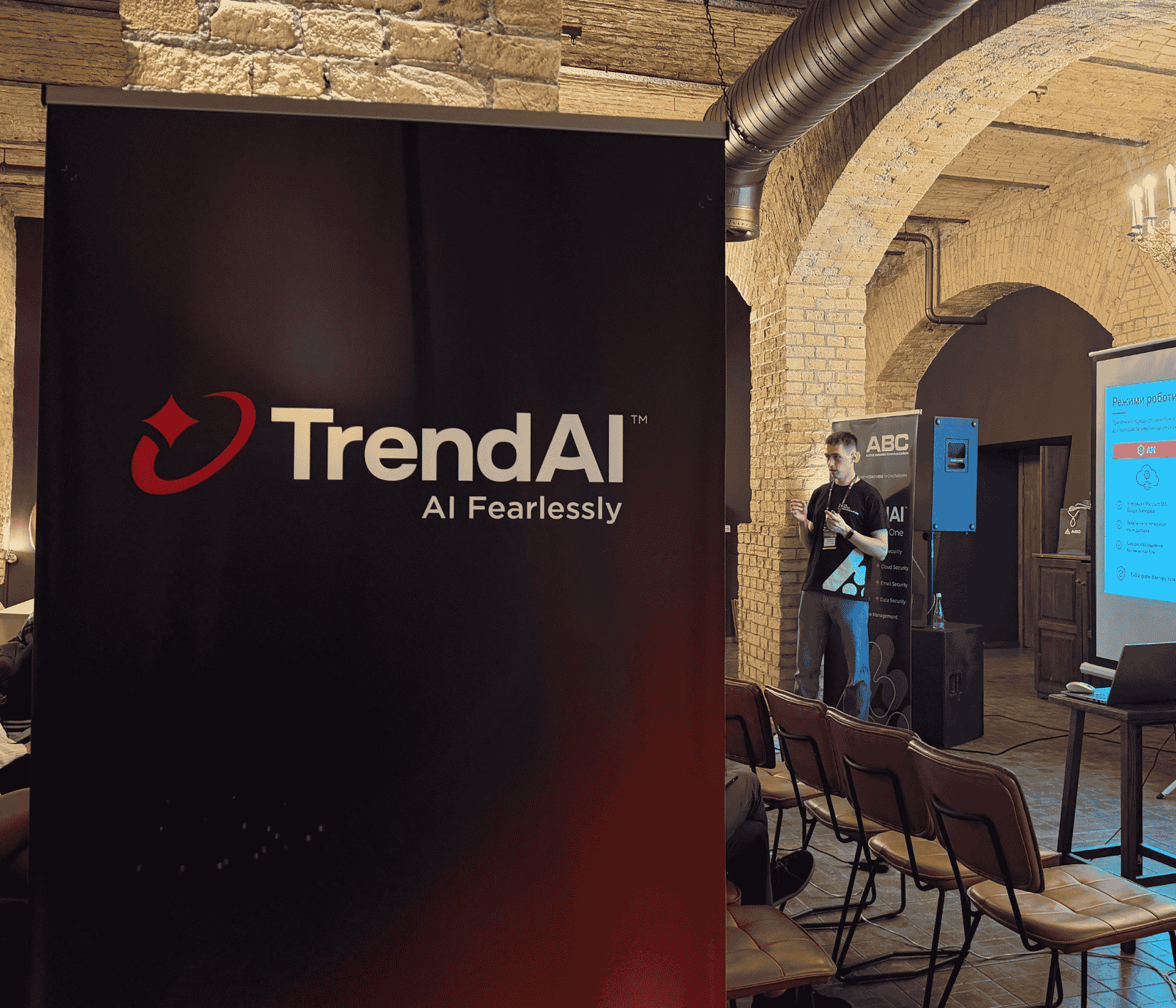
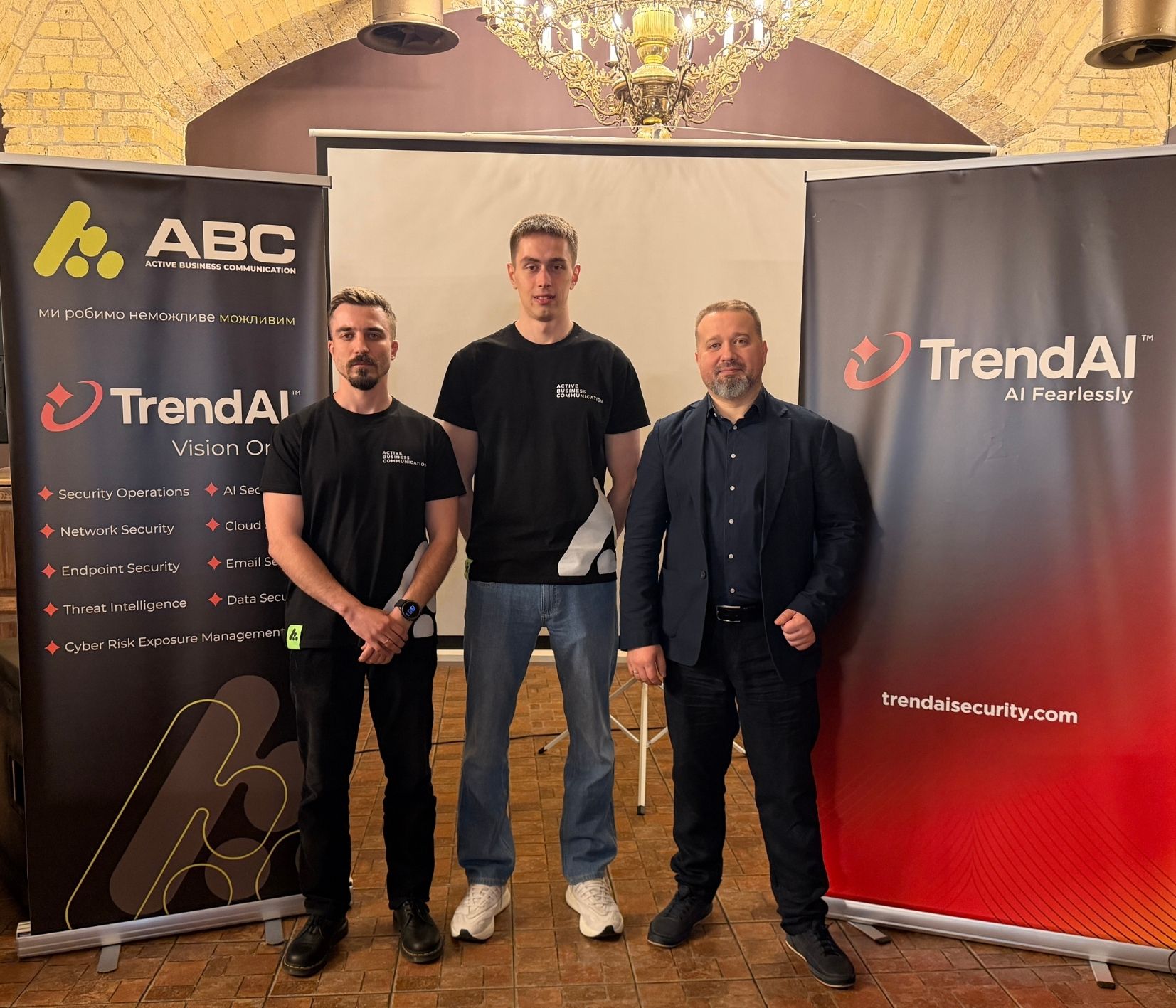
During the technical sessions, participants explored practical aspects of building an effective cybersecurity system and modern approaches to reducing risks for information and communication systems (ICS) and corporate infrastructure.
A separate session focused on hidden misconfigurations in information security systems. Experts shared real-world project examples and reviewed common configuration weaknesses that may remain unnoticed by organizations while creating additional entry points for attackers or reducing the effectiveness of existing security measures.
Significant attention was also paid to endpoint and email protection, which remain among the most common attack vectors today. Participants discussed current compromise scenarios, phishing campaign risks, approaches to minimizing the human factor, and the importance of establishing a basic level of cyber hygiene and multilayered protection for corporate environments.
As part of the discussion on comprehensive digital asset protection, experts emphasized the importance of a systematic approach to risk assessment and analysis of an organization’s potential attack surface. In particular, they highlighted the need to consider the interconnection between different elements of IT infrastructure, continuously monitor changes in the digital environment, and identify potential vulnerabilities in a timely manner.
Participants also discussed the implementation of ICS security profiles, practical aspects of adapting organizations to current cybersecurity requirements, and preparation for certification processes.
The event concluded with an open Q&A session, where participants had the opportunity to exchange experiences, discuss practical challenges related to implementing modern cybersecurity solutions, and receive additional recommendations from experts on strengthening organizational cyber resilience.